There is a rising trend of international schools or the diversity in schools to make education accessible and inclusive.
However, because of the social and cultural differences in the diverse group, there can be issues. One of the most common issues which do arise and is anticipated in the diverse environment is interpersonal conflicts.
Before moving forward, there is a need to define the interpersonal conflicts- It is the type of conflict which can arise because of difference in the opinion, perception, goals and beliefs.
Technological advancement has made children rigid resulting in lack of sympathy. But we do not want robots in the form of human who lack emotions and empathy.
Keeping this in mind schools should incorporate the interpersonal skills training in their curriculum, so students get these skills in their brain cells.
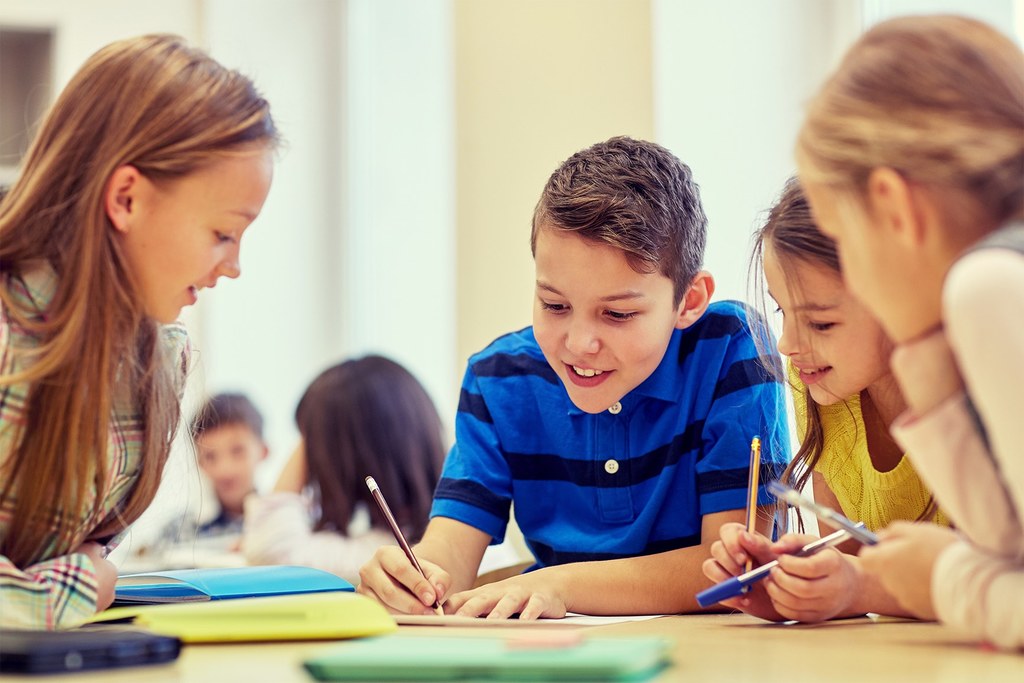
These skills will enhance the relationship between peers and positive environment of the classrooms. Teachers at British curriculum schools in Dubai are instilling the skills by classroom activities.
Over the years of experience, it is concluded that individuals who had interpersonal training in schools are more likely to have a calm attitude towards the workplace.
Interpersonal Skills for Students
Here are top four interpersonal skills which should be incorporated in the school’s curriculum and teachings:
Self-awareness:
It is the one essential soft skill which is a necessity to survive in the diverse environment. When students are self-aware, then they know their strengths and weakness as well as the skills they need to attain.
This also means they will not be aware of all the prejudices and biases so before judging or having grievances about someone you can actually make sure that mistake is at your end.
With the self-awareness, they are able to use it for their advantage.
Being empathic:
Another best skill to master is the ability to understand the situation from another person’s point of view. Children should be able to understand what other people must be going through.
In this way, they are able to cultivate better relationships and see what others are going through. It is also a way of understanding how your attitude and behavior is more likely to impact others.
In other words, by integrating empathy in class, you are able to foster an environment where students are learning and growing together.
Listen to others:
Often we are not listening but instead of trying to answer what other people think. By listening I mean trying to full attention to the emotions, words and behaviors of other people.
People are in constant view of trying to understand and give their opinion, but they are less likely to listen or understand the views of others. This can also lead to interpersonal conflicts.
Managing the emotional side:
Without a doubt, life is competitive, stressful and hectic. This means children can be stressed, frustrated and emotional.
But being a teacher, it is essential to integrate the emotional management skills for their students. Being emotional can be costly because words can hurt someone or lead to damaging conflicts.
Opting the approach of teachers at British curriculum schools incorporate the emotional management in art classes or even during the classroom activities.
Summing it up, interpersonal skills are essential for the future generation because the constant use of technology can overwhelm and make them rude or stressed.
Recommended Posts:
 Child Education